Why HatchPath Exists: The Founder Story Nobody Else Could Have Written
Jordan Dunin on Chronic Lyme Disease, Traumatic Brain Injury, and the Healing That Changed Everything
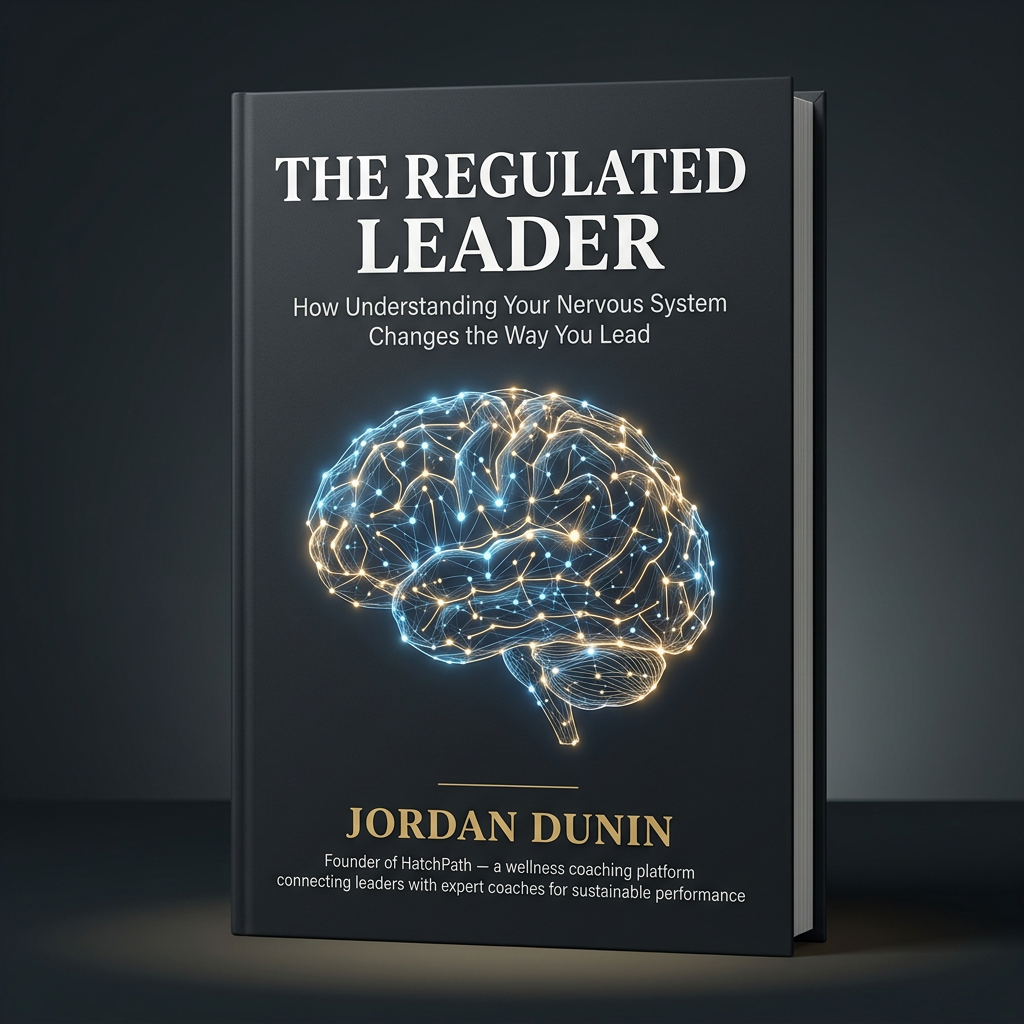
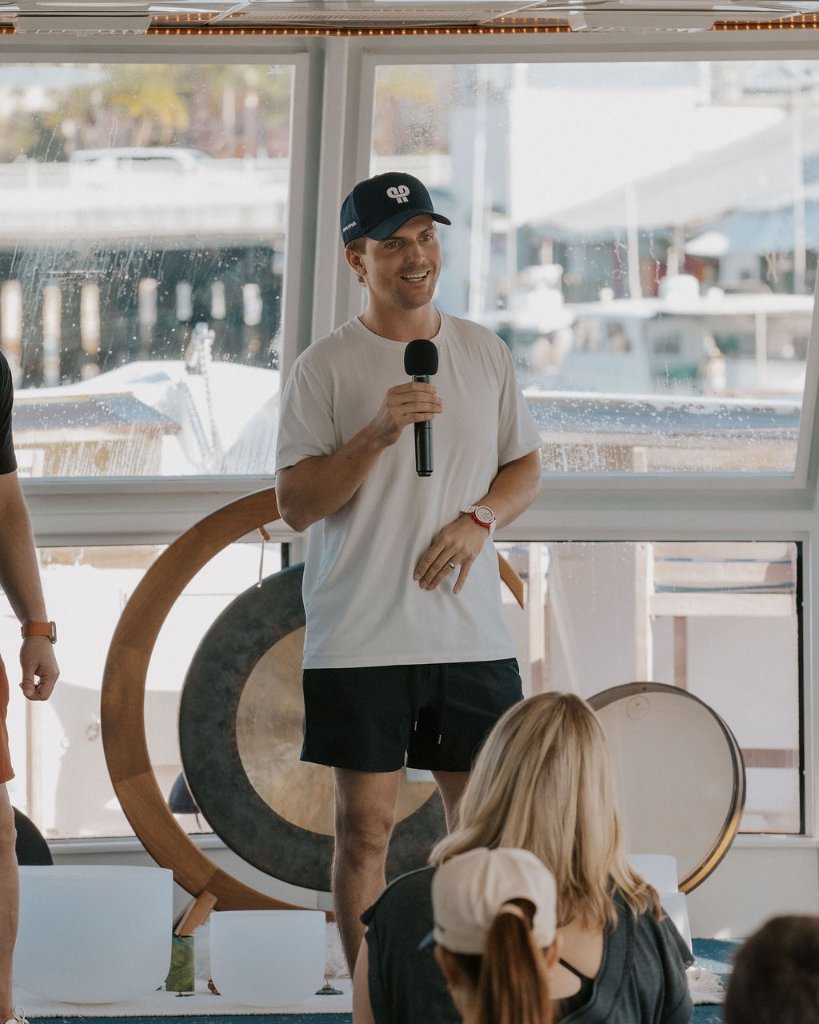
Jordan Dunin
Founder & CEO of HatchPath · Author of The Regulated Leader
There are companies built to chase market trends. And then there are companies built because someone lived through something nobody else could solve for them — and decided that was unacceptable. HatchPath is the second kind.
When Your Body Becomes the Enemy
Jordan Dunin was in his late twenties when his health started to unravel. What began as persistent fatigue became something far harder to explain — and even harder to treat. The diagnosis came eventually: chronic Lyme disease, a condition that had quietly degraded his nervous system while confounding every specialist he saw. And then, compounding an already difficult situation, a traumatic brain injury.
Together, these conditions took apart the infrastructure of who Jordan had been. The cognitive sharpness. The physical capability. The sense of being a person who could rely on his own body and mind to perform. All of it became uncertain.
"I saw every type of specialist you can imagine," he said. "Doctors, neurologists, functional medicine practitioners. They had protocols for the disease. What none of them had was a way to help me actually change my behavior — to close the gap between what I knew I was supposed to do and what I could consistently make myself do when I was feeling that bad. Nobody was working on that."
The Discovery: Behavioral Patterns Were the Missing Piece
Chronic illness has a cruel irony: the behaviors most critical to recovery — sleep consistency, nutrition, pacing, stress regulation, gentle movement — are precisely the behaviors that the disease makes hardest to sustain. Inflammation impairs willpower. Cognitive fog makes it hard to plan. Pain disrupts routine. The nervous system in chronic sympathetic activation resists the parasympathetic recovery mode the body desperately needs.
Jordan found that medical knowledge wasn't the bottleneck. He knew what he needed to do. The bottleneck was behavior — and specifically, the accountability structures that made behavior change sustainable when willpower alone failed. When he found a person who could help him hold himself accountable to the small daily patterns that added up, something shifted.
"I didn't need more information. I needed someone who would help me show up for myself consistently — even on the days when I didn't want to. That one thing changed everything. And I realized almost nobody had access to it."
The Other Side: A Half Ironman, Two Healthy Boys, and a Different Life
What happened next is not a story Jordan tells lightly — because he knows how hard the road was, and he never wants to oversimplify it. But the truth is extraordinary: a man who had been profoundly ill, whose body had largely stopped cooperating, eventually completed a half Ironman. Something he had never done before getting sick.
He also has two healthy sons. A marriage. A life that, from the outside, would give no hint of the years of suffering that preceded it. Not because the illness was erased — but because the behavioral work, the nervous system regulation, the accountability and the coaching, made a fundamentally different outcome possible.
"None of that happens without someone keeping me accountable to myself," Jordan said. "Not to them. Not to some external standard. To my own goals. My own values. My own version of what I wanted my life to look like. That's what I couldn't find when I was sick. That's what HatchPath is."
The Market Gap Nobody Was Addressing
When Jordan started looking at the employer wellness landscape — a $61 billion industry — he saw the same gap everywhere. Organizations offered gym memberships, meditation apps, and 1-800 EAP numbers. What they didn't offer was personalized, human, 1:1 coaching matched to the individual's actual situation. The thing that had made the difference for him was essentially inaccessible to most people.
And the data confirmed what his instincts told him: 44% of employees reported burnout. Turnover was costing U.S. companies over $1 trillion a year. Generic wellness programs were producing negligible results. The industry had confused activity with impact.
HatchPath: Built on What Actually Works
HatchPath was built on a simple but radical premise: every person is different, every situation is different, and the only intervention that consistently produces lasting change is a trusted human relationship that holds you accountable to your own goals. Not a program. Not an app. A coach. Matched carefully. Engaged deeply. Measuring what actually matters.
That premise was tested in Jordan's own life before it was ever tested in the market. And that's why it works.
HatchPath was founded on the belief that everyone deserves access to the kind of personalized support that changes lives. Book a free concierge call to find your match.
About the Author
Jordan Dunin
Founder & CEO of HatchPath · Author of The Regulated Leader