Chronic Lyme, TBI, and the Question That Built a Company
What happens when the healthcare system can treat your disease but not your behavior

Jordan Dunin
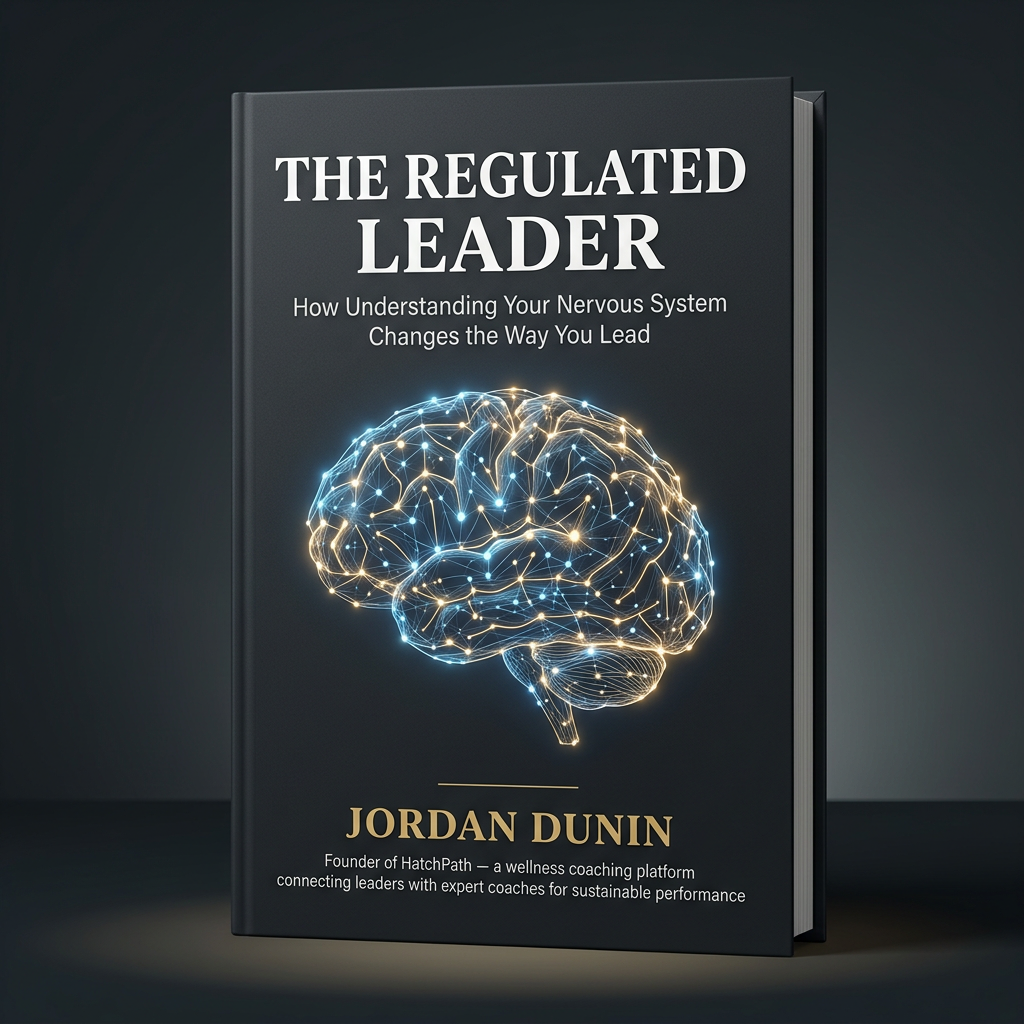
Founder & CEO of HatchPath · Author of The Regulated Leader
Here is the question that Jordan Dunin kept asking during the years he was sick, that nobody in the medical system could answer: "I know what I'm supposed to do. Why can't I make myself do it consistently enough to actually heal?"
The Knowledge Gap vs. The Behavior Gap
Chronic Lyme disease is a battle fought on multiple fronts. There are the physical symptoms — the fatigue, the joint pain, the neurological effects that make thinking feel like moving through concrete. There is the diagnostic odyssey, the months or years of being told nothing is wrong before a diagnosis finally arrives. And then there is the treatment, which is often slow, frequently uncertain, and critically dependent on lifestyle factors the patient must manage themselves.
Jordan had knowledgeable doctors. He understood the importance of sleep consistency, anti-inflammatory nutrition, paced activity, and stress regulation. The problem wasn't the information. The problem was that when his nervous system was dysregulated and his cognitive resources were depleted by illness, the gap between knowing and doing became a chasm.
This is not a character flaw. It is biology. A dysregulated nervous system in chronic sympathetic activation resists the behavioral changes most needed for recovery. Willpower is a finite resource that disease depletes. And the standard medical system has no mechanism for helping patients bridge this gap — because bridging it is not a medical skill. It is a coaching skill.
"Every specialist I saw was an expert in my disease. Not one of them was an expert in helping me change my behavior in a way that stuck. That gap nearly cost me everything — and it's a gap that millions of people fall through every year."
What a TBI Teaches You About the Brain
The traumatic brain injury Jordan sustained added a layer of complexity that forced a deeper reckoning with how behavior actually works. TBI affects the prefrontal cortex — the brain's executive function center — in ways that specifically impair planning, impulse control, emotional regulation, and the ability to translate intentions into actions. In other words, it directly attacks the systems responsible for behavioral consistency.
This is not incidental. Understanding how the brain's regulatory systems work — and fail — when under physical or psychological stress became the intellectual foundation for everything HatchPath would eventually build. The nervous system is not a backdrop to health. It is the mechanism through which all health behaviors become possible or impossible.
The Role of Accountability in Recovery
What Jordan eventually found — the thing that made the difference — was a person. Not a protocol. Not a program. A human being who knew his goals, his history, and his patterns, and who held him gently but consistently accountable to showing up for himself. The accountability wasn't about performance pressure. It was about commitment — a regular relational container that made consistency possible when internal resources were depleted.
The research supports this completely. The American Society of Training and Development found that the probability of completing a goal rises from 10% (when you just hear an idea) to 95% when you have a specific accountability appointment with another person. That number — 95% — is a transformation. For someone healing from chronic illness, it could mean the difference between recovery and years of continued struggle.
From Personal Discovery to Market Insight
When Jordan looked at the employer wellness market through the lens of his own experience, the problem was immediately visible. $61 billion in annual spending. 44% of employees reporting burnout. Negligible utilization of the benefits being offered. The industry had built infrastructure around information and access — but not around the relational accountability that actually changes behavior.
HatchPath was his answer to the question that nearly broke him: What if the people who need behavioral support the most — the sick, the burned-out, the overwhelmed — had access to the kind of personalized human coaching that actually closes the gap between knowing and doing?
HatchPath was built from the inside of the problem. If you're navigating burnout, chronic stress, or the gap between knowing and doing — a HatchPath coach can help. Book a free consultation.
About the Author
Jordan Dunin
Founder & CEO of HatchPath · Author of The Regulated Leader