The Practice of Awareness: How Yoga and Meditation Rewire Your Stress Response
A HatchPath Summit Recap with Coach Cynthia Powers Broccoli

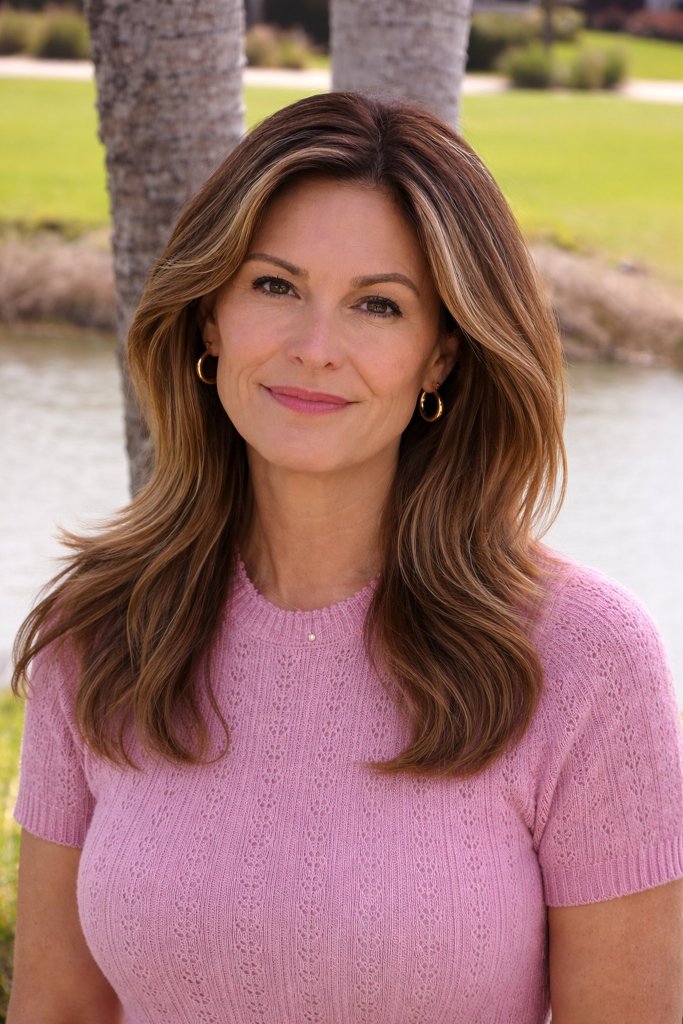
Cynthia Powers Broccoli
Holistic Coach · E-RYT 200 Yoga Teacher · Reiki Master · Energy Healing Practitioner
🎙️ Listen to the Full Episode
When most people picture yoga, they picture a fitness class - flexibility, strength, maybe some deep breathing. But Cynthia Powers Broccoli, certified yoga teacher, Reiki Master, and holistic coach, has a very different definition. "Yoga is a practice of awareness," she told us in our May HatchPath Summit. "It's not about what your body can do. It's about learning to observe your mind - and choosing how you respond to it."
The Real Problem: We Live in a Chronic State of Stress
Before talking about solutions, Cynthia named what most of us are living through without even realizing it: chronic stress activation. When stress is triggered, the sympathetic nervous system takes over. Cortisol rises. Heart rate increases. Breathing becomes shallow and fast. Digestion shuts down. The body is preparing for a fight - or a flight.
The problem is that most modern stressors - email overload, financial pressure, relationship tension, performance anxiety - don't have a physical resolution. The activation never discharges. And so millions of people are walking around in a persistent low-grade state of physiological alarm, day after day, year after year.
This chronic sympathetic dominance is the root of so much of what we're calling 'wellness problems' today: disrupted sleep, poor digestion, mood dysregulation, autoimmune flare-ups, anxiety, and the pervasive sense that something is just off.
"When you're focused on what you lack - success, a relationship, a pregnancy - that focus on lack can actually push the very thing you want further away. The practice is learning to shift from a state of seeking to a state of receiving." - Cynthia Powers Broccoli
Yoga Is a Practice of Being, Not Just Doing
The physical poses (asana) are just one of eight components of traditional yoga - the system developed by the sage Patanjali and codified in the Yoga Sutras. The other seven limbs include ethical guidelines, breath control (pranayama), withdrawal of the senses (pratyahara), concentration (dharana), meditation (dhyana), and ultimately, a state of unified awareness (samadhi).
The asana practice, Cynthia explained, was never meant to be a fitness modality. It was designed to prepare the body for stillness - to release the physical tension, energetic blockages, and restlessness that make it nearly impossible to sit quietly and turn attention inward.
"In the West, we've largely extracted the physical practice and left behind the philosophy and the purpose," she said. "The poses are the doorway - not the destination."
The Eight Limbs: A Path to Wholeness
- Yamas - ethical guidelines for how we relate to others: non-violence, truthfulness, non-stealing, moderation, non-possessiveness
- Niyamas - personal observances: cleanliness, contentment, self-discipline, self-study, surrender
- Asana - physical postures designed to release tension and prepare the body for stillness
- Pranayama - breath control practices that directly regulate the nervous system
- Pratyahara - withdrawal of the senses; learning to turn attention inward rather than constantly outward
- Dharana - concentration; training the mind to focus on a single point
- Dhyana - meditation; sustained, effortless focus that begins to dissolve the boundary between the observer and the observed
- Samadhi - a state of unified awareness; often described as bliss, absorption, or profound peace
Pranayama: Using the Breath to Change Your State
One of the most powerful tools Cynthia shared was pranayama - the deliberate regulation of breath. Unlike most physiological functions, breathing sits at the intersection of the voluntary and autonomic nervous systems. You can consciously change your breath pattern, and in doing so, directly influence your heart rate, cortisol levels, and emotional state.
"The breath is always available," Cynthia said. "It is the most accessible tool we have for shifting our internal state - any time, anywhere."
- Nadi Shodhana (Alternate Nostril Breathing): Balances the left and right hemispheres of the brain, calms the nervous system, and clears energetic channels (nadis). Inhale through the left nostril, exhale through the right, inhale through the right, exhale through the left - repeating for 5–10 rounds.
- Ujjayi Breath (Ocean Breath): A soft constriction at the back of the throat creates a gentle ocean-like sound. Used during asana practice to anchor attention and maintain parasympathetic activation.
- Bhramari (Humming Bee Breath): A long exhale with a gentle hum. The vibration directly activates the vagus nerve, stimulating the parasympathetic nervous system and producing an immediate calming effect.
- 4-7-8 Breathing: Inhale for 4 counts, hold for 7, exhale for 8. The extended exhale activates the rest-and-digest response and is particularly effective for anxiety and sleep onset.
Meditation: The Practice of Watching the Mind
Meditation, Cynthia clarified, is not about emptying the mind. That misunderstanding is responsible for more people giving up on meditation than almost anything else. "The mind thinks," she said. "That's what minds do. The practice is not to stop thinking. It's to notice that you're thinking - and to choose, again and again, to return your attention to the present moment."
That act of noticing and returning - hundreds of times in a single session - is the actual exercise. Over time, it builds a new neural pathway: the capacity to observe your thoughts without being controlled by them. This is what Cynthia means by awareness. Not a blank mind, but a mind that can watch itself.
The research on meditation is extensive. Regular practice has been shown to reduce amygdala reactivity (the brain's alarm center), thicken the prefrontal cortex (responsible for wise decision-making), lower baseline cortisol, improve sleep quality, reduce symptoms of anxiety and depression, and increase the capacity for compassion and empathy.
The Concept of Svadhyaya: Self-Study
One of the niyamas (personal observances) that Cynthia returned to throughout the Summit was svadhyaya - the practice of self-study. In the yoga tradition, this means not just reading spiritual texts, but actively observing yourself: your patterns, your reactions, your habitual thoughts, your unconscious beliefs.
"Most of us are running on programming we received before the age of seven," she explained. "Svadhyaya is the practice of actually looking at that programming - with curiosity rather than judgment - and deciding which parts serve you and which parts it's time to release."
"Awareness is the beginning of freedom. You cannot change what you cannot see. But the moment you truly see a pattern - not just intellectually, but experientially - it begins to loosen its grip." - Cynthia Powers Broccoli
Joy Is an Internal State
Perhaps the most powerful thread running through Cynthia's entire talk was this: joy is not something you find. It is not contingent on circumstances, achievements, relationships, or health. It is an internal state - always present, always available - that we simply lose access to when the nervous system is dysregulated and the mind is caught in its loops.
"Joy is already there," she said. "It bubbles up from the soul when the mind's constant chatter quiets enough to notice it. The practice of yoga - all eight limbs - is essentially a practice of getting out of the way."
A consistent contemplative practice lowers the body's baseline cortisol level. Over time, your default state shifts. You become less reactive. You recover from stress faster. You find it easier to access gratitude, presence, and the simple, uncomplicated pleasure of being alive.
How to Begin (Or Deepen) a Practice
- Start with the breath - even 5 minutes of conscious breathing each morning shifts your nervous system's baseline over time
- Find a teacher, not just a class - the relationship with a skilled yoga teacher is transformative in a way that apps and videos can approximate but rarely match
- Don't wait until you're flexible, calm, or 'ready' - the practice meets you exactly where you are
- Explore beyond asana - even brief sitting meditation, pranayama, or journaling as a form of svadhyaya counts as yoga practice
- Be consistent over being perfect - 10 minutes every day builds more than 90 minutes once a week
- Approach it as a life practice, not a fitness regimen - the real rewards accumulate over years, not weeks
Cynthia Powers Broccoli is a holistic coach, E-RYT 200 certified yoga teacher, Reiki Master, and energy healing practitioner with HatchPath. She works with clients on nervous system regulation, contemplative practice, and building a sustainable relationship with their inner life.